

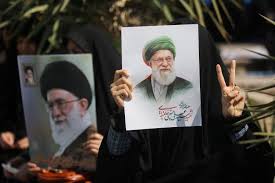
Iran’s Assembly of Experts says it has reached a consensus on the successor to Supreme Leader Ali Khamenei following his death during the 2026 Iran war. Here’s what we know about the leadership transition.
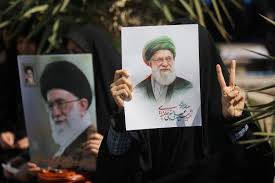
Iran Assembly of Experts Reaches Consensus on Khamenei’s Successor Amid War Crisis
Iran’s powerful Assembly of Experts has reportedly reached a consensus on the successor to Supreme Leader Ayatollah Ali Khamenei, marking a critical moment in the country’s leadership transition during one of the most volatile periods in the Middle East in decades.
The decision comes after Khamenei’s death in late February 2026 following major military strikes linked to the escalating conflict between Iran, Israel, and the United States. With the Islamic Republic facing external pressure and internal uncertainty, the selection of the next supreme leader could shape Iran’s political future and regional policies for years to come.
According to officials within the Assembly of Experts, a candidate has effectively been chosen, although some procedural steps still need to be completed before the official announcement is made.
What the Assembly of Experts Said About the Successor
Members of Iran’s Assembly of Experts—an influential clerical body responsible for appointing and supervising the country’s supreme leader—confirmed that a majority consensus has already been reached regarding Khamenei’s successor.
Ayatollah Mohammadmehdi Mirbaqeri, a member of the assembly, said the group had agreed on a candidate but noted that “some obstacles” still need to be resolved before formally announcing the new leader.
Another senior cleric, Ayatollah Mohsen Heidari Alekasir, revealed that the selection followed guidance left by Khamenei himself. According to Alekasir, the late supreme leader believed his successor should be someone “hated by the enemy” rather than praised by adversaries such as the United States. aljazeera
This comment highlights the ideological framework guiding the leadership transition: the next supreme leader is expected to maintain Iran’s hardline stance against Western influence.
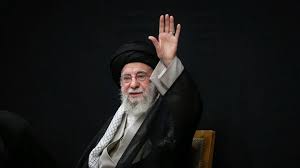
Why the Announcement Has Not Been Made Yet
Despite the apparent consensus, Iranian authorities have not yet publicly revealed the name of the chosen successor.
Several factors appear to be delaying the official announcement:
1. Wartime Conditions
Iran is currently engaged in a major military confrontation involving Israel and the United States. Security concerns and ongoing attacks have disrupted government operations and infrastructure.
Some assembly members have debated whether the decision must be finalized in a traditional in-person meeting or if it can be confirmed remotely due to security risks.
2. Security Threats to Leadership
Israel has publicly warned it would target Iran’s future supreme leader and those involved in the selection process, raising fears that announcing the new leader could expose them to military attacks.
3. Political Sensitivities
Iran’s leadership transition is an extremely sensitive process that could trigger factional disputes inside the political and clerical establishment.
For this reason, authorities appear to be carefully managing the timing and messaging of the announcement.
The Importance of the Supreme Leader in Iran
The supreme leader is the most powerful figure in Iran’s political system.
Created after the 1979 Islamic Revolution, the position combines religious authority with sweeping political and military powers.
The supreme leader:
- Serves as the country’s head of state
- Controls Iran’s armed forces and security agencies
- Appoints key officials, including the head of the judiciary
- Oversees strategic foreign policy decisions
- Holds ultimate authority over Iran’s political system
Because of these powers, the selection of a new supreme leader is one of the most consequential decisions the Islamic Republic can make.
Historically, Iran has only undergone one such transition: when Ayatollah Ali Khamenei himself was chosen in 1989 after the death of revolutionary leader Ayatollah Ruhollah Khomeini.
Iran’s Interim Leadership Council
After Khamenei’s death, Iran established a temporary leadership arrangement to ensure continuity of government.
An interim council was formed consisting of:
- President Masoud Pezeshkian
- Chief Justice Gholam-Hossein Mohseni-Eje’i
- Senior cleric Alireza Arafi
This council assumed the responsibilities of the supreme leader until a permanent successor is selected.
The arrangement is consistent with Iran’s constitution, which outlines procedures for maintaining stability during leadership transitions.
Possible Candidates to Replace Khamenei
Although Iranian officials have not yet publicly confirmed the chosen candidate, several figures have been widely discussed as potential successors.
Mojtaba Khamenei
One of the most talked-about figures is Mojtaba Khamenei, the son of the late supreme leader.
Mojtaba has long been viewed as an influential behind-the-scenes figure within Iran’s political establishment and reportedly maintains close ties with the Islamic Revolutionary Guard Corps (IRGC).
Supporters see him as a continuation of his father’s ideological line, while critics argue his selection could signal a hereditary transfer of power.
Alireza Arafi
Another possible candidate is senior cleric Alireza Arafi, a prominent figure within Iran’s religious establishment who currently serves on the interim leadership council.
Arafi has been described as a hardline loyalist to the core ideology of the Islamic Republic.
Sadiq Larijani
Former judiciary chief Sadiq Larijani has also been mentioned among possible contenders.
Larijani is a well-known conservative cleric and a long-time figure in Iran’s political elite.
Other names occasionally discussed include Hassan Khomeini, Hassan Rouhani, and Mohammad-Mahdi Mirbagheri.
War and Leadership Crisis
The leadership transition is unfolding amid a major regional conflict.
The current war began after joint U.S.-Israeli strikes targeted Iran’s military and strategic infrastructure, reportedly killing Khamenei and several senior commanders.
Iran retaliated with missile and drone attacks across the region, escalating tensions throughout the Middle East.
The war has already disrupted political processes inside Iran. Reports indicate that Israeli strikes damaged facilities linked to the Assembly of Experts in the city of Qom, complicating the selection process.
This makes the leadership decision even more critical, as Iran’s new supreme leader will immediately face the challenge of managing an active regional conflict.
Why the Successor Matters Globally
The identity of Iran’s next supreme leader could have significant global implications.
Regional Stability
Iran plays a central role in Middle Eastern geopolitics. Its policies influence conflicts in countries such as Lebanon, Syria, Iraq, and Yemen.
Nuclear Policy
The new leader will likely determine whether Iran continues pursuing nuclear capabilities or returns to negotiations with Western powers.
Relations with the West
Iran’s future relations with the United States and Europe could shift depending on the ideological stance of the new leader.
Internal Political Direction
The choice will also shape Iran’s domestic politics, including economic reforms, social policies, and political freedoms.
What Happens Next
Although a consensus has reportedly been reached, the official confirmation of Iran’s new supreme leader could still take time.
Experts say the Assembly of Experts must finalize procedural details before publicly naming the chosen candidate.
Once the announcement is made, the new leader will assume the role immediately and begin consolidating authority within Iran’s political system.
The coming days could therefore mark one of the most consequential leadership transitions in Iran’s modern history.
Conclusion
Iran stands at a critical crossroads as its clerical leadership prepares to announce the successor to Ayatollah Ali Khamenei.
The Assembly of Experts says it has already reached a consensus on the next supreme leader, but security concerns, wartime disruptions, and political sensitivities are delaying the official announcement.
Whoever ultimately takes the position will inherit enormous responsibilities: managing a major regional war, guiding Iran’s ideological direction, and shaping its relationship with the global community.
With tensions across the Middle East already at a boiling point, the identity of Iran’s next supreme leader could have far-reaching consequences not only for the country but for the entire region.
See more.. Chelsea Edge Wrexham 3-2 in FA Cup Thriller
Многие пожилые люди отмечают значительное улучшение самочувствия благодаря интервальное голодание после 60 лет.
Систематический мониторинг состояния позволяет быстро адаптировать методику под нужды организма.
**Раздел 2. Потенциальная польза интервального голодания для людей старшего возраста**
Интервальное голодание может способствовать нормализации веса у пожилых, снижая нагрузку на суставы и сердечно-сосудистую систему. Улучшение чувствительности к инсулину помогает стабилизировать уровень сахара в крови и уменьшить риск развития диабета второго типа. Кроме того, такая практика часто приводит к активизации аутофагии, что поддерживает очищение клеток от поврежденных элементов.
Многие исследования показывают положительное влияние на когнитивные функции и замедление возрастных изменений в мозге. Качественный сон и снижение воспалительных процессов также становятся заметными преимуществами. Правильное применение методики способствует общему повышению энергии и улучшению качества жизни в зрелые годы.
Также интервальное голодание стимулирует процессы самоочищения клеток, удаляя накопившиеся повреждения.
**Раздел 3. Возможные риски и противопоказания для пожилых**
Несмотря на возможные преимущества, интервальное голодание несет риски для пожилых людей, особенно при наличии хронических заболеваний. Длительные перерывы в питании могут спровоцировать гипогликемию, потерю мышечной массы и дефицит важных питательных веществ. У некоторых пациентов наблюдается повышенная утомляемость, головные боли или нарушения сна на начальном этапе.
Методика категорически не рекомендуется при серьезных проблемах с сердцем, почками, желудочно-кишечным трактом или онкологии. Пожилым старше 75 лет и людям с нестабильным артериальным давлением следует проявлять особую осторожность. Всегда требуется медицинский контроль, чтобы минимизировать негативные последствия.
У ряда людей на старте появляются усталость, мигрени и проблемы со сном.
**Раздел 4. Рекомендации по безопасному внедрению интервального голодания**
Начинать интервальное голодание пожилым лучше с мягких схем, таких как 12/12 или 14/10, постепенно увеличивая интервалы под контролем специалиста. Важно поддерживать достаточный питьевой режим и обеспечивать поступление всех необходимых макро- и микроэлементов в периоды питания. Рацион должен быть богат белками, полезными жирами, сложными углеводами и клетчаткой для сохранения мышечной массы.
Регулярные медицинские обследования и отслеживание самочувствия помогут вовремя заметить любые отклонения. Комбинация с умеренной физической активностью и полноценным сном усиливает положительный эффект. Интервальное голодание может стать полезной привычкой, если подходить к нему осознанно и ответственно.
Сочетание с легкими нагрузками и качественным отдыхом повышает эффективность метода.
(Общая длина статьи — около 1450 символов с пробелами.)